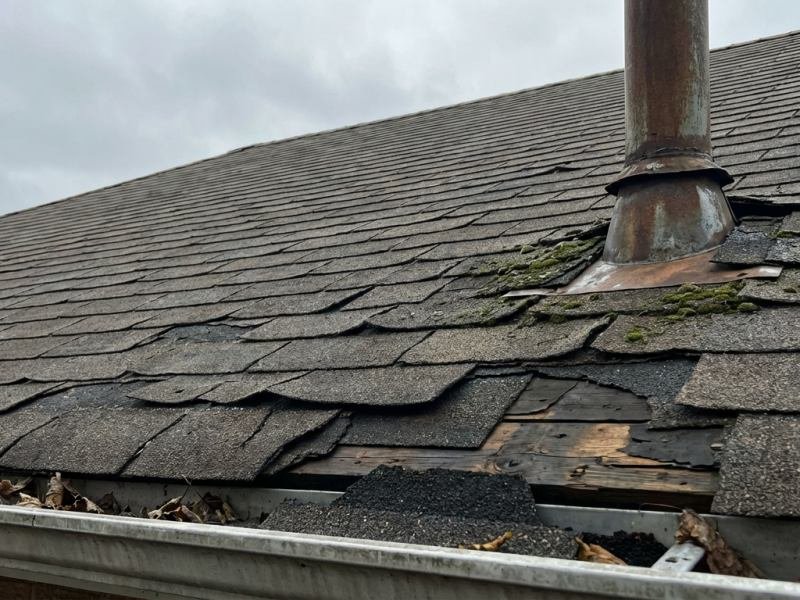
Steps To Take After A Major Storm Damages Your Roof
A storm can roll in without much warning, and when it leaves, your roof might be one of the first places to show the damage. Harsh wind, heavy rain, flying debris, and hail can all put stress on even the strongest roofing systems. When that happens, it's not only about looks. Your roof is the first line of defence for the entire structure of your home. Ignoring the damage could lead to larger problems that are harder and more expensive to fix.
After a big storm hits your area, it can feel overwhelming trying to decide what to do first. Should you call someone right away? Check the attic? Wait to see if a leak appears? There’s a clear order of steps that can help lower stress and make sure your roof gets fixed the right way without wasting time or money. If your home in Ottawa has been through a summer storm, here’s how to get started safely and smartly.
Inspecting Your Roof For Damage
It’s pretty common to feel the urge to rush outside once the sky clears, especially after hearing branches hit the roof or shingles flapping during the storm. But take a breath. Stepping onto a roof alone or too soon can be risky. Wet surfaces, loose materials, and unnoticed debris can lead to serious injuries. The better move is to take a walk around the outside of your home and look up from the ground.
Here’s what to keep an eye out for:
- Missing or curled shingles
- Lifted or bent flashing near vents and chimneys
- Granules collecting in your downspouts or at the base of gutters
- Dents on metal flashings or vents
- Branches lying on the roof or pressed against it
- Watermarks on soffits or around the edges of the eaves
Inside the house, the attic can show signs too. Check exposed beams, insulation, and ceiling panels, especially if the storm brought heavy rain. Any dark spots or dips in the ceiling could mean water is making its way in.
Once you spot damage, take pictures. Even if you’re not sure whether it's serious, clear photos will come in handy when you talk to your insurance provider. It’s easier to describe the issue and prove it later when everything is documented.
If parts of the damage aren’t easy to see safely, don’t worry. This is where licensed roofers come in. Many will perform a full inspection safely and give you the details you need without putting yourself at risk.
Contacting Your Insurance Company
Once you know there’s some damage, it’s time to loop in your insurance provider. Storm coverage varies depending on your plan, but most will want you to call quickly after the event. Waiting too long can sometimes lead to delays or even denied claims.
Here’s what to have ready before you call:
- The date and time of the storm (or as close as possible)
- Photos of what you saw after the storm
- Notes about leaks, fallen debris, or anything that caused concern
- A copy of your insurance policy, if available
- A list of any previous damage or repairs already completed on the roof
Once the claim starts, many insurance companies will send out an adjuster to verify the damage and estimate how much of the cost they’ll cover. It’s helpful to have your documentation on hand during that visit. If you've already had a roofer inspect the damage, you can also share their findings and estimates.
Keep track of who you speak with, when the calls happen, and any claim numbers they give you. A small notepad or digital file can keep things all in one place. That way, if you’ve got questions later, you won’t be repeating information or digging through papers.
The first part of the process is about showing what happened, staying organized, and acting quickly. It’s not about fixing everything yourself or understanding all the details of a claim. Leave that to professionals. The goal at this stage is to move the process forward while keeping your home safe from further damage.
Temporary Fixes To Prevent Further Damage
Even if a full repair can’t happen right away, you can take a few quick steps to stop things from getting worse. Just be careful not to put yourself in danger to do it. Most temporary patches won’t solve the problem for good, but they can hold off more damage until pros step in.
The most common step is to cover any exposed area of the roof with a heavy-duty tarp. It should go over the damaged section and extend past it by at least a couple of feet in each direction. That adds a buffer even if wind or rain shifts it slightly. Use wood planks or secured bricks to weigh the edges down. Never rely on tape or rope. And if it’s wet or steep, don’t risk climbing up. If you're unsure, it's better to leave that part to someone trained.
Inside the house, place buckets or pans near leaks to catch water. Move furniture and rugs out from under trouble spots, even if you're not seeing active dripping. Water has a way of finding new paths, and prevention here is usually easier than drying out soaked belongings later.
Opening a window or running a fan in the attic can also help lower humidity, especially if it's warm and muggy outside. Just keep in mind that a temporary fix is only meant to buy time. Getting a professional to assess and repair storm damage is what actually protects your home long term.
Hiring A Professional For Roof Replacement In Ottawa
Once your roof has been assessed and your claim is in motion, you’ll likely need a licensed roofing contractor to complete the repairs or possibly handle a full roof replacement. Choosing someone who understands Ottawa’s climate and has experience with storm damage repair can make a big difference in how smoothly things go.
Here’s what to look for during your search:
- A history of work in Ottawa and surrounding areas
- Proof of insurance and safety certifications
- Clear, written estimates and timelines
- Good communication, especially during the claim process
- Positive reviews from past clients in similar situations
A professional roofer will go through the process with you, from inspecting the damage and speaking with your adjuster to stripping old materials and installing the new roof. You should get a timeline, a breakdown of the materials being used, and a detailed explanation of what each part of the job includes. Your contractor should also talk about disposal methods, warranties, and what to expect if weather delays occur.
One homeowner in Ottawa mentioned their roofer explained the condition of the underlayment after removing the old shingles and helped them understand where water was likely getting in. That kind of communication helps build confidence that the work is being done right.
Replacing a roof can feel like a big project, but with the right people handling it, things tend to move faster and with fewer surprises. You want the peace of mind that comes with knowing the job was done properly.
Keeping Your Roof In Good Condition Post-Repair
Once your roof is back in place, you’ll want it to stay that way. Regular upkeep doesn’t have to be complicated, but it helps keep storm damage from creeping up again over time. Think of it like checking your car's oil or clearing the lint trap in your dryer. Small tasks that add up to big protection.
Here are a few ways to stay ahead:
- Clean your gutters at least twice a year or whenever you see overflow. Clogged gutters let water pool up in the wrong spots
- Trim trees that hang too close to the roof. Even small branches can knock shingles loose when the wind picks up
- Take a yearly look around the attic. Look for new water spots, damp insulation, or signs of mould
- After a major storm, even if your roof looks fine, do a visual walk-around. Catching something early can stop it from turning into a real problem
- Schedule a professional roof inspection every few years, especially if your roof is getting older
A little attention every now and then saves you from rushing around trying to patch leaks during the next thunderstorm. It also keeps your home healthier to live in, since a dry, well-ventilated attic prevents mould and cuts down on energy loss.
Staying Storm Ready For Peace Of Mind
Storms aren’t always predictable, but preparation is. Knowing how to respond and who to call makes a big difference when the clouds clear. A damaged roof doesn’t have to send your whole household into panic mode. With smart steps, documented info, and trusted help, you can go from storm relief to repair without the added stress.
Getting familiar with the process now helps you move faster when the time comes. And if you’re in Ottawa, you know that strong winds and downpours are just part of the summer. Having a plan means you'll spend less time worrying and more time making sure your home stays steady and safe.
If your roof took a hit during the last storm and you’re thinking about next steps, let us help. With expert support for roof replacement in Ottawa, Burnham Brothers Roofing is here to make sure your home gets the care it needs. We’ll walk you through the process from start to finish so you can feel confident your roof is ready for whatever comes next.
Addressing Water Stains On Your Ceiling: A Guide To Roof Repairs
If you've noticed a brown or yellow stain slowly spreading across your ceiling, it’s usually not something you can ignore. Those marks are more than just cosmetic. They’re often signs that water is coming in from somewhere it shouldn’t. Depending on how long it's been happening, it could mean your roof is letting in moisture, or there may be an issue inside the walls or ceiling itself.
Water stains can start small and barely noticeable, but they may lead to much bigger headaches if left alone. In a climate like Ottawa's, where heavy rain, snow, and freeze-thaw cycles are common, these issues can develop fast. Acting sooner rather than later can help prevent structural damage, mould growth, and costly repairs down the road.
Identifying The Source Of The Water Stain
Before jumping into repairs, it’s helpful to figure out where the water is coming from. It’s not always the roof. Sometimes the source is a leaky pipe, poor ventilation in the attic, or condensation building up due to poor insulation.
If you think the roof is the problem, here are a few ways to begin your inspection:
1. Check the attic during or shortly after a rainstorm. Look for dripping water, damp insulation, or dark spots on the wood.
2. Look for water trails on rafters or down beams, which can help lead you back to the source.
3. If it hasn’t rained in a while, try looking for light peeking through roof boards, which could suggest damaged or missing shingles.
4. Pay close attention to areas around chimneys, vents, skylights, and valleys where two roof surfaces meet.
It’s always best to stay safe when checking things out. Instead of climbing on the roof, which can be dangerous without the right gear, stick to what you can safely see from the ground or from inside the attic.
If nothing points clearly to a roof issue, the plumbing is your next best bet. A leaking pipe, especially in multi-storey homes, can leave a ceiling stain right below a bathroom or kitchen. You might also want to check the air circulation in your attic. Poor airflow can cause warm, moist air to settle and result in condensation. Over time, that can leave the same marks as a roof leak.
Understanding The Damage
Once you’ve spotted a ceiling stain, the next step is figuring out how much harm has already been done. A simple watermark may not seem like a big deal, but it could be just the surface of something more serious.
Water likes to travel, which means the damage won’t always be right above the stain itself. It could have soaked into insulation, weakened wood beams, or started breaking down the drywall over time. In some cases, you might even smell a musty or damp odour, which could point to mould starting to form behind the scenes.
Here are a few signs the damage could be more serious:
- Sagging ceiling or softened drywall area
- Paint bubbling or peeling
- Dark spots that keep growing, even during dry weather
- Visible mould or mildew near the stain
Even if the dripping stops on its own, that doesn’t mean the problem’s over. Water might be pooling somewhere hidden, or the temporary drying might just be a break between storms. That’s why it’s a good idea to get a full look at what’s going on beneath the surface before patching it over with paint.
A professional inspection can help uncover issues that aren't easy to spot right away. That includes checking for rotted decking, damaged flashing, or loose shingles on the roof, as well as insulation breakdown or signs of long-term leaks. It’s the best way to be sure you're solving the problem for good and stopping further damage before it spreads.
Steps To Roof Repair
Fixing a roof leak starts with a thorough inspection, followed by choosing materials and methods that ensure the repair holds up over time. Once the source of the leak is confirmed, the area around it needs to be cleared of any debris. If shingles are missing, curled, or cracked, they’ll be taken off, and any underlayment with water damage must be replaced. Then new materials are installed layer by layer to make sure moisture can’t get in again.
Damaged flashing or vent boots are also common culprits and are replaced or tightened as needed. While small patches might seem like the quickest fix, it’s better to repair enough of the roof to stop future water from sneaking in through nearby weak spots.
We always advise using high-quality materials that are a match for what’s already up there. Ottawa’s weather puts a lot of pressure on roofing systems, especially with heavy snowfall and temperature shifts between seasons. Using substandard materials might save money at first, but they don’t always hold up when the freeze-thaw cycle kicks in. That can mean faster wear and another repair sooner than expected.
Timing also matters when planning repairs. Late summer and early autumn are typically best. Temperatures are steady, materials stick and seal better, and there’s a lower chance of delay from snow or steady rain. Finishing a roof repair before that first flurry makes its way through Ottawa gives you added peace of mind going into winter.
Preventative Measures
Once the stain is gone and your ceiling is dry again, it’s worth putting steps in place to make sure the issue doesn’t return. Keeping your roof in shape doesn’t mean constant upkeep, but it does mean keeping an eye on it from time to time.
To prevent future water stains and leaks:
- Clean leaves and debris out of gutters at least twice a year to stop water from backing up
- Keep tree limbs trimmed and away from the roof to reduce wear and avoid damage during windstorms
- Watch for ice dams in winter and look for early signs of moisture problems in the attic
- Schedule roof inspections after major hailstorms or once a year for general wear and tear
- Double-check ceiling corners and attic spaces during heavy rain or periods of melting snow
Seasons change quickly in Ottawa, and fall is often the busiest time for catching up on outdoor maintenance. That’s where a quick check of the roof and attic can help catch small signs of trouble before they grow. It might just be a loose shingle today, but catching it early can help you avoid a water-stained ceiling weeks or months later.
Why You Shouldn’t Wait to Fix That Stain
A small ceiling stain might seem like a minor issue, but it can be the warning sign of a bigger water problem lurking just out of sight. Whether it's storm damage, gradual wear, or a hidden leak, taking steps to spot and fix the issue early can save you trouble down the road.
Water damage moves fast, especially when left alone during the wettest parts of the year. Acting quickly, getting the right repairs, and doing the occasional seasonal check can help keep your roof working like it should and protect your home from future problems. Your home is safest when the roof keeping it dry is strong, sealed, and ready for whatever the Ottawa weather throws its way.
Dealing with water stains on your ceiling is a task best tackled with expert help. Trust your local specialists at Burnham Brothers Roofing to guide you through effective solutions. When you're ready to secure peace of mind and professional assurance, explore our portfolio for expert roof repair in Ottawa. Let us help keep your home safe and dry.
What Makes A Professional Roofing Installation Stand Out
A roofing installation isn’t just another home upgrade. It’s one of the most important decisions you’ll make to protect your home. Whether you’re replacing worn-out shingles or building a house from scratch, your roof plays a huge role in keeping your home dry, insulated, and comfortable.
In Ottawa, the climate can be tough on roofs. Homes here deal with freezing winters, hot summers, heavy snow, and wind-driven rain. Not all roofs hold up the same way under these conditions, which is why the quality of the installation matters just as much as the materials used.
So what really makes a roofing installation stand out? It’s not just about a clean finish. It’s about smart choices, proper techniques, strong attention to detail, and knowing what works best for Ottawa homes.
High-Quality Materials Built for Ottawa Homes
The materials used can make or break your roof’s long-term performance. In a place like Ottawa, with its mix of weather extremes, it’s not enough for materials to simply look good or fit the budget. They need to handle intense cold, heavy snowfall, and temperature swings without breaking down early.
There are some key features that make roofing materials more reliable for Ottawa homes:
- Cold-resistant shingles that avoid cracking in freezing temperatures.
- Durable underlayment that offers an added barrier against leaks.
- Properly fitted flashing to seal off edges, vents, and joints.
- Ventilated ridge caps to prevent moisture build-up under the roof.
Some people assume that thicker or pricier products guarantee better protection. But that’s not always true. What’s more important is whether a material is well-suited for local weather, attic ventilation levels, and the angle of your roof.
Burnham Brothers Roofing only uses materials that are chosen for performance in Ottawa’s climate. We work with trusted suppliers, and we rely on experience to select what works best based on your home’s condition, age, and layout. Every layer is part of a system that needs to work together.
Expert Workmanship Makes All the Difference
Materials are only half the story. The skill of the team doing the work is what turns good materials into a roof that performs over time. A roof might appear fine from the street, but if it hasn’t been installed correctly, problems will start to show up soon after the first storm.
Proper workmanship includes:
- Prepping the surface and checking for rot or damaged decking.
- Using the right nailing pattern and pressure during install.
- Sealing all joints carefully to avoid hidden leaks.
- Paying attention to how snow and ice will move off the roof.
One mistake we’ve seen often is when shingles are installed too close to the roof edge or without enough overlap. It creates a weak point where wind can lift them during a storm. These are the kinds of problems a trained team avoids by sticking to recommended techniques and reviewing the roof’s layout before starting.
Our installers take the time to ensure proper alignment, secure fastening, and a clean finish. We don’t rush jobs. We focus on getting every step right so you can rely on your roof when it matters most.
Attention to Detail Is What Holds It All Together
The success of a roofing job isn’t just in how it looks once the shingles go on. It’s decided by the little things few people notice but that make all the difference when harsh weather hits.
Flashing, for example, plays a key role in protecting areas around chimneys, vents, skylights, and other potential weak spots. It needs to be placed and sealed precisely. Even a small gap here can lead to serious water damage over time.
Ventilation and insulation are just as important. Warm air that’s kept inside during winter can melt the snow on your roof. As the water runs down and re-freezes over the eaves, it can cause ice dams that hold water against your shingles. That’s a problem that puts a lot of stress on your roofing system.
Good inspectors and installers look out for:
- Properly sealed flashing around all penetrations.
- Ridge and soffit vents that work together to move hot air out.
- Clean shingle edges, not jagged cuts or poor alignments.
- Strong seals on fasteners and nails to prevent lifting.
Burnham Brothers Roofing checks every stage of the installation for signs of weakness. We pay attention to every joint and seal because we know those spots are where trouble often starts months or years later.
Warranties Add an Extra Layer of Confidence
A professional roofing installation doesn’t stop at the final nail. Reliable companies back their work with clear, detailed warranties—because they’re confident in the materials and the way the installation was done.
There are usually two sides to a roofing warranty:
- The manufacturer’s warranty, covering the materials themselves.
- The workmanship warranty, covering the labour and installation process.
A combined approach like this gives homeowners the protection they need. If a defect in the shingles causes early failure, or an installation step was missed, these warranties cover those possibilities.
When we talk to homeowners, we recommend asking the following:
- How long do the material and labour warranties last?
- Are the warranties separate or bundled?
- Are there limits on coverage if the structure changes or work is done after?
- Will you receive documentation when the job’s complete?
Our team offers warranties that reflect the reality of Ottawa’s environment. That means they’re clear, easy to understand, and strong enough to stand up to winter damage, spring storms, summer heat, and everything in between.
Why Local Knowledge Matters
Every city has different building codes and unique roofing needs. What works well in one region might fail in another. Local experience gives you a big advantage when you're choosing a roof installation company.
Ottawa brings its own set of challenges. Ice, snow, sudden temperature shifts, and strong winds require an installer who knows how to build roofs that handle all of that. It also helps when the team knows the ins and outs of local permits and inspections.
Burnham Brothers Roofing has worked on homes throughout Ottawa for years. We know what to expect from older builds, the common design quirks in newer areas, and what local inspectors look for during sign-off.
Here’s why choosing a local roofing company matters:
- They know the impact of Ottawa’s freeze-thaw cycles.
- They understand spacing and support needed for heavy snow loads.
- They’re used to dealing with attic moisture from tightly sealed homes.
- They can plan your roofing installation to fit the city’s seasonal shifts.
You don’t want a company that’s guessing at code requirements or using techniques that only work in milder areas. Experience with the weather and Ottawa’s housing stock makes a difference you’ll notice every season.
Your Roof Is Worth the Investment
Professional roof installation is about more than climate-proof shingles or straight lines. It’s about creating a system that’s built to last. From choosing the right materials, prepping properly, applying expert techniques, and offering solid warranty coverage, a strong roof does more than look good—it protects what matters most.
When it’s done right, your roofing system can give you years of low maintenance performance and peace of mind. And in Ottawa, where the weather constantly tests the strength of your home, that kind of reliability is worth every penny.
A job done well doesn’t just survive the winter. It passes inspection, stands firm in storms, and keeps your home safe and stable. That’s the kind of result you get when you work with a roof installation company that knows the area and takes pride in their work.
No matter the season, your home deserves top-quality care. If you're looking for a roof installation company that combines expertise with attention to local conditions, explore our portfolio at Burnham Brothers Roofing. It's filled with examples of how our commitment to quality stands up to Ottawa's unique climate.
Questions To Ask When Hiring A Local Roofing Company
Hiring the right roofing company can take a bit more effort than just calling the first name that pops up online. When you're trusting someone to keep your home dry and protected, you want to feel confident about who you're hiring. In a place like Ottawa, where roofs face freezing winters and sun-heavy summers, that choice really matters. A solid roof isn't just about shingles and nails. It's about knowing the work done can stand up to whatever the weather throws at it.
It's easy to feel overwhelmed if you don’t know what to ask before hiring. Contractors might say all the right things, but asking good questions early on can make a big difference. You want to work with someone who’s honest, has real experience, and is good at what they do. The right questions help you see who’s a good fit and who might not be. Here are some things to bring up when you're talking to local roofers in Ottawa.
What Is Your Experience?
Start simple. Ask how long they’ve been working in roofing and what kind of jobs they usually handle. A company with years of experience has probably seen almost every kind of roof issue. But length of time isn’t the only thing that matters. What you’re really looking for is experience that fits your own home’s needs.
For example, if you have a low-slope roof or a mix of roof styles, ask if they’ve handled similar projects in the Ottawa area. Are they familiar with local building regulations and climate-related challenges? Someone who mostly works on newer homes in the suburbs might not be the best fit for older homes in the downtown core with unique roof shapes and materials. Keep it relevant to your specific roof style and location.
Here are a few helpful questions to ask:
- How long have you been in business?
- What kinds of roofing projects have you completed in Ottawa?
- Have you worked with roofs similar to mine?
- What materials do you usually work with?
- Do you handle repairs, full replacements, or both?
Pay attention to how they answer and if they back up their claims with real examples. A thoughtful answer backed with local knowledge means you’re more likely to get work done right the first time.
Are You Properly Licensed And Insured?
You want to make sure anyone working on your home is allowed to legally do the work and is ready to take responsibility if things go wrong. That means they should have a valid business license and insurance. In Ottawa, roofing contractors need to follow provincial standards and carry liability coverage along with workplace insurance for their staff.
Always ask to see proof. A trustworthy roofer won’t hesitate to show you their documentation. If they're vague or seem irritated that you're asking, take that as a red flag. Remember, this isn’t about being suspicious. It’s about protecting your home and budget if accidents happen or work doesn’t go as planned.
Double check the following:
- Are you licensed to do roofing work in Ottawa?
- Can you provide a certificate of your liability insurance?
- Are your workers covered by WSIB?
- What happens if something on my property is damaged during the project?
Accidents on site can be costly, and if a contractor’s not covered, that bill could land in your lap. Avoiding those risks starts with asking to see the right paperwork.
Can You Provide References From Past Clients?
If you’ve asked all the right questions so far, the next step is hearing about their past work straight from the people who’ve hired them. Reputable roofers in Ottawa should have a list of clients who were happy with the work and are fine with sharing their experience. Testimonials and photos of completed jobs are helpful, but names and contacts for references make that information a lot more real.
Ask for examples of jobs they’ve done near your neighbourhood. That gives you a chance to see their work in a setting similar to yours. It might even be worth driving by to take a look at the roof from the street. Talking to a past client can also help you get a better idea of how the company handles mess, noise, timelines, and communication. One homeowner shared how they chose a roofer after speaking to someone a few blocks away who gave honest feedback about the process and how clean the team kept the area during their project.
Here are some helpful things to request:
- Names or contact info for a few recent clients
- Photos of before-and-after projects, especially in Ottawa
- Specifics about timelines and how close they were to the original estimate
- Testimonials, either written or posted online
Hearing directly from past customers adds an extra layer of trust. If the roofer hesitates or avoids giving references, that’s a sign to keep looking.
What Does Your Warranty Cover?
A properly installed roof should last a long time, but things can happen. Warranties are your safety net. The goal here is to understand what the contractor covers if something needs fixing after the job is done. There’s a big difference between a manufacturer’s warranty on the shingles and a workmanship warranty that covers labour.
Ask questions that help you get a full picture. What happens if a leak shows up later? Is there a cost for fixing it? How long does the coverage last? If the warranty sounds too short or comes with a long list of loopholes, it’s worth digging into the details. Warranties tell you something about how confident a company is in its work. If they stand behind their crew and craftsmanship, they’ll usually make it clear and easy to understand.
Make sure to ask:
- Is there a warranty for both materials and labour?
- How long does your workmanship warranty last?
- Does the warranty stay valid if I sell the house?
- What kinds of problems are excluded?
- How are warranty claims handled?
Having this all laid out upfront gives you peace of mind before anything even starts.
Understanding The Scope And Cost Of The Project
Every roofing job should begin with a clear plan. That means knowing what’s being done, how long it’ll take, and what it’s going to cost. Don’t settle for a quick quote scribbled on the back of a card. Ask for a detailed written estimate that breaks down every part of the project. That way, you know exactly what you're paying for.
A good quote includes the type of materials being used, the number of layers being removed (if any), disposal of the old shingles, ventilation improvements, and the total cost for labour. If there's a timeframe involved, it should also map out the start and end dates, how long the job will take, and what might cause delays. Always ask if any extra charges could come up once work begins.
Here are a few things your quote should cover:
- Removal and disposal of old roofing material
- Type and brand of shingles or other materials
- Repairs to any damaged decking or structure
- Installation of vents, flashings, and underlayment
- Cleanup after the job is done
- Total labour and material costs
- Potential for extra charges and how they’ll be handled
- Project start and end time estimates
Once you have all this information, it gets easier to compare bids and make an informed choice without unwanted surprises later.
Hiring With Confidence
Hiring a roofer isn’t something homeowners do often, so it’s easy to overlook the right questions until it’s too late. That’s why spending a little more time during the hiring process pays off in the long run. The more information you gather at the start, the more confident you’ll feel when the work begins. You want to trust that your roof will be handled safely, professionally, and to the standard your home deserves.
Each of these questions helps paint a full picture of who you’re hiring. From experience in Ottawa neighbourhoods to the warranties backing their work, these details matter more than a low quote or fast promise. Asking the hard questions now helps you sleep better under a roof that’s well built and dependable.
To explore some of the completed projects by experienced local roofers, check out the portfolio section on our website. Trust Burnham Brothers Roofing to deliver quality craftsmanship and unmatched service in Ottawa, ensuring your roofing needs are met with precision and care.
Fixing Loose And Missing Shingles On Your Residential Roof
Your roof does a lot more than most people think. It takes on wind, rain, sun, and snow all year round. And while it's built to be tough, even the best roofing materials can wear down over time. Shingles, especially, go through a lot. When they're loose or start to fall off, it doesn’t just look bad—it leaves your home exposed to all kinds of problems. Acting quickly when you spot an issue with your shingles can keep a small problem from turning into something much bigger.
In Ottawa, summer is a prime chance to check on your roof. The weather’s more stable, which makes it easier to get up there or book a repair service. Warm temps also help roofing materials settle and set better after repairs. If you notice shingles lifting or gaps forming, it’s time to take a closer look. Fixing things now, especially ahead of fall and winter, means one less thing to worry about when the weather turns colder.
Why Fixing Loose And Missing Shingles Matters
Shingles play a key role in keeping the upper part of your home dry and protected. They stop water from getting through your roof and reaching insulation, wood structures, and the ceiling below. When even a few shingles go missing or start coming loose, you run the risk of water seepage every time it rains. That moisture can lead to mould, wood rot, and slow structural damage if left too long.
Loose shingles also make it easier for wind to grab on and pull more away. It’s a bit like a domino effect. One goes, then another, and soon you’ve got an open path for the elements to break in. Even if the leaking isn’t obvious right away, the hidden damage can add up. Over time, insulation can become soggy, wooden beams may start to warp, and heat can escape in winter, sending energy costs up.
Common problems caused by neglected shingles include:
- Leaks in ceilings, especially after storms
- Water stains or bubbling paint on interior walls
- Mould forming in attic spaces or crawl areas
- Increasing drafts and uneven indoor temperatures
- Insect activity or small animals finding their way inside
Leaving these issues alone only makes them harder and more expensive to fix. Staying alert and handling them early saves on cost and stress later.
Identifying Loose And Missing Shingles
The good news is, spotting shingle problems is something homeowners can usually do with a close look from the ground or by using a sturdy ladder. You don’t need advanced tools or roofing knowledge to figure out if something’s off. Just keep an eye out and pay attention after storms or heavy winds.
Here are some signs that your shingles might need attention:
- Pieces of shingles showing up on your lawn or in your eavestrough
- Curled, cracked, or buckling shingles visible from below
- Exposed nail heads where shingles may have lifted or blown away
- A patchy look in some roof sections where materials seem thinner or mismatched
- Damp spots or marks on your attic ceiling or around chimneys and vents
One Ottawa homeowner recently noticed curled shingle corners above their garage. A few days later, during steady rain, light water marks started to appear on the ceiling drywall. It turned out a few shingles had weakened and weren’t sealing off the edge anymore, allowing water to slowly soak in. Because they caught it early, repairs were simple and stopped the issue from spreading.
If anything looks out of place on your roof or if something just feels off, it’s worth getting a closer inspection. Catching a problem early gives you more control, fewer repairs, and helps your roof last longer.
Seasonal Factors To Consider
Summer in Ottawa gives homeowners a good window to take care of shingle repairs. Long days and drier conditions mean roofing crews can get the job done faster and with fewer delays. Plus, the warm air helps adhesive backing on shingles stick better, giving you a longer-lasting finish after repairs or replacements.
Winter and early spring can be tough on roofs in this region. Changes in temperature, ice buildup, and high winds can loosen shingles or rip them right off. That’s why summer makes sense for checking on roof damage. It’s much easier to deal with repairs before the harsher seasons roll back around.
Some seasonal factors to watch out for include:
- Spring snow melt exposing new leaks at roof edges or flashing points
- Wind gusts in early summer lifting or curling weakened shingles
- Intense UV during heat waves drying shingles out and causing brittleness
- Leaves and seeds from trees clogging eavestroughs and reducing water runoff
Doing a full inspection during the warmer months gives you peace of mind when colder temperatures return. It’s also safer for repair crews since they won’t have to deal with icy surfaces or bitter wind.
Steps To Fix Shingles
If you notice slipping or damaged shingles, your first thought might be to patch them yourself. But roofing repairs involve more than just nailing down loose pieces. What looks like one broken shingle could be a sign that more are about to fail, or that water has already started to spread underneath.
Temporary fixes, like tarping or placing something heavy to keep a shingle down, might hold off rain for a short time, but they won’t solve a full repair. A proper fix means looking at what caused the damage, whether the underlayment is still solid, and replacing any part that's too worn to function.
Here’s what reliable repair work usually involves:
- Checking nearby shingles to see if they’re also damaged or loose
- Removing old nails and clearing away broken material
- Laying fresh underlayment if needed
- Sliding in new shingles that match shape and style
- Sealing edges to keep water from sneaking underneath
If you see signs that more than a few shingles are off or if there’s staining indoors, it’s time to get a professional involved. A trained expert will be able to inspect the whole roof and fix what needs fixing before moisture causes deeper trouble.
Maintaining Your Roof Post-Repair
After your roof repairs are done, a little upkeep goes a long way. It doesn’t take much, just regular checks and fast clean-ups can help your roof last years longer. You don’t need to climb up there often, either. A visual check from the ground a few times a year is often enough to spot warning signs.
Good habits to keep in mind:
- Clear leaves from gutters every spring and fall
- Trim tree branches that hang directly over your roof
- Watch for any pieces of shingles or nails that land in your yard
- Inspect your attic ceiling once in a while for streaks or soft spots
- Schedule a roof inspection once a year, especially after very bad weather
By keeping up with small checks, you’ll spot cracks, gaps, or early damage before it turns into a bigger issue. It doesn’t have to take hours, and it can help stretch the life of your repairs and roof overall.
Stay Ahead Of Shingle Problems Before They Spread
Loose shingles are more than just an eyesore. They're a warning sign. Once the seal is broken, water, pests, and air can start to chip away at your roof’s strength. And the longer those gaps go untouched, the harder and more costly it gets to fix.
Handling small problems early saves you time and stress later. Whether it's a sudden change in weather or simple wear and tear, addressing broken shingles before fall settles in puts your house in a much better spot for Ottawa’s changing seasons. Keeping your roof solid gives you one less thing to worry about when the next storm rolls in.
Keep your home protected and in top shape with timely repairs. For a thorough and professional approach to roofing in Ottawa, consider our residential roof repair service at Burnham Brothers Roofing. Our team is ready to ensure your roof withstands the challenges of Ottawa's seasonal changes. Connect with us to schedule your evaluation and secure your home’s future today.
Protecting Your Business Property With Expert Commercial Roofing
The roof over your business does more than sit there. It helps keep your customers, staff, and equipment safe and makes sure daily operations don’t come to a stop when the weather takes a turn. Whether you run a retail shop, a restaurant, or a warehouse, the right commercial roofing setup can mean the difference between minor upkeep and major repairs. It's worth thinking about the long-term role your roof plays in the success and health of your building.
Summer in Ottawa is a good time for business owners to take a closer look at how their roof is holding up. There’s less snow, fewer freezes, and more time to make fixes before another long winter sets in. But before you patch things up with shortcuts, it’s smart to step back and look at the bigger picture. How strong and efficient is that roof really? Working with commercial roofers who understand local demands can help you find the right balance of function, durability, and value.
Understanding The Unique Needs Of Commercial Roofing
Commercial properties need roofing that can handle large surface areas, added equipment like HVAC and vents, and more foot traffic than the average home. That’s a much different situation than what you see in a typical residential setting. Commercial roofs also tend to be flatter and have different drainage needs, which means the design, materials, and maintenance plan need to match that scale.
While homeowners might go for looks or tradition, businesses usually need function first. A roofing material that isn’t up to the task can lead to water damage, heat loss, and expensive disruptions. Choosing roofing systems with durability and low upkeep in mind can save plenty down the road. And fewer interruptions mean smoother day-to-day work.
Here’s how commercial roofing needs often differ from residential setups:
- Larger surface area means more exposure to sun, wind, and precipitation
- Flat or low-slope designs require excellent drainage to avoid pooling
- Equipment like satellite dishes, vents, HVAC systems create more weak spots
- More durable materials needed to support maintenance staff and foot traffic
These needs can’t be covered by using residential materials on a commercial building. It takes professional know-how and careful planning to make sure everything holds up under pressure.
Choosing The Right Roofing Material
Picking the best material for a commercial roof involves more than finding something that just gets the job done. You’ll want a roofing system that can handle local weather, keep energy costs low, and last long enough to make the investment count. Some materials suit flat roofs better, while others work best on sloped ones. The right fit depends on your building type, how it’s used, and what sort of maintenance schedule you're ready to stick with.
Here’s a quick look at some common choices for commercial roofs:
1. TPO (Thermoplastic Polyolefin)
- Lightweight and preferred for flat roofs
- Reflects UV rays, which helps with energy savings
- Joint seams can be heat-welded to form secure seals
2. EPDM (Ethylene Propylene Diene Monomer)
- Known for flexibility and toughness
- Easy to install and repair
- Has a darker surface, which may absorb rather than reflect heat
3. Metal Roofing
- Long-lasting and strong under high winds
- Offers good insulation and fire resistance
- Often more expensive up front, but can be worth it for longevity
Imagine you're operating a restaurant with a flat roof that faces bright sun most of the year. TPO might be the smart pick there because of its reflective properties. But if you’re running a warehouse with tall equipment, a stronger option like metal might be better.
Taking time to match your roofing material with the specific needs of your business helps avoid problems later. It also sets the stage for a roof that protects your property, keeps energy waste low, and reduces calls for emergency repairs.
Importance Of Regular Maintenance And Inspections
Even if your roof was installed recently, it still needs regular attention to keep it performing well. Commercial roofs in Ottawa face a full range of weather through the year, from heavy snow loads in winter to hot, humid summers. All that wear adds up. Maintenance isn’t something a business can afford to brush off. It’s more than just checking for leaks. It’s about catching small problems early before they grow into something expensive.
Skipping regular service might not cause issues right away, but over time, it can lead to damage that disrupts business operations. A busy season is the worst time to deal with unexpected roof repairs. Knowing what to look for helps you stay ahead.
Here are a few tips for keeping your commercial roof in good shape:
- Schedule inspections twice per year, once in spring and again before winter
- Clear off debris like branches and leaves, especially after strong winds
- Make sure drainage systems aren’t clogged and are working as expected
- Look for bubbling, cracks, or soft spots in the roof membrane
- Watch for signs of water stains or discolouration on the ceiling inside
If you notice anything out of the ordinary or if your staff reports drips or drafts, it’s better to bring in a pro sooner rather than later. Many issues can be fixed at low cost when handled early, but delays often make repairs more complicated and expensive. Inspections also help extend your roof’s service life, which makes a big difference long term.
Hiring Expert Commercial Roofers
Hiring dependable commercial roofers is one of the most important decisions you’ll make for your property. Commercial projects are more complex and you need a crew that understands the tools, materials, and techniques that suit large buildings, flat roofs, and specialized structural needs.
When you're doing your research, don’t just look at price. Make sure the contractor is experienced with buildings similar to yours. Ask direct questions about how they assess roof condition, what materials they prefer for certain uses, and how they back their work. You want someone who listens and doesn’t rush decisions.
To avoid headaches, here are a few things to check:
- Confirm the roofer is insured and certified for commercial projects
- Look for experience with buildings in your area
- Ask about their past projects using your preferred material
- Make sure they offer after-service support or scheduled maintenance
We’ve seen examples where business owners hired residential roofers for commercial work. One local auto shop had a flat roof and hired a team to install shingles that weren’t made for that surface. Within months, the roof began leaking and damaged tools and equipment. Fixing it properly meant doing the job over and losing valuable time. A commercial roofing team would’ve chosen the right material from the start.
Good contractors plan ahead with you and keep lines of communication open. This is key for businesses that need to stay open during work or operate on a tight schedule.
Secure Your Business Property with Reliable Roofing Solutions
Making the right roofing decisions early goes a long way in protecting your property. A well-chosen and properly installed commercial roof works hard in the background every day. You can count on it to keep your building comfortable, help control energy use, and stay intact through Ottawa’s changing seasons.
By knowing what separates commercial needs from residential ones, selecting the right material, committing to regular upkeep, and working with experienced commercial roofers, you’re making your property stronger and more dependable.
Your roof isn't just overhead. It's part of your business success. Keep it in top shape with support from professionals who understand what your building needs and how to keep it performing for years to come.
Protecting your property starts with the right roofing partner. Discover how reliable commercial roofers in Ottawa can transform your business space, ensuring durability and peace of mind. Burnham Brothers Roofing offers the expertise needed to keep your roof performing at its best, no matter the season. Reach out today and secure a roofing solution designed to last.
Long-Term Benefits Of Installing Cedar Shingles On Your Home
Cedar shingles have been a go-to roofing choice for homeowners who want something that’s both practical and eye-catching. As more homes in Ottawa begin to mix traditional designs with natural materials, cedar stands out for its warm, textured look that fits right in with the tone of the city. While some trends fade, cedar has stayed in style for generations, partly because it does more than just look good.
Our summers are hot and humid and winters can be sharp, snowy, and windy. That mix of extremes makes it important to have a roof that holds up year after year. Cedar shingles aren’t just a design choice. They’re a smart long-term investment that handles Ottawa’s weather while boosting curb appeal and helping cut down on energy use.
Durability And Longevity Of Cedar Shingles
Roofs in Ottawa face a bit of everything, from heavy snowfall in winter to soaking spring rains and sticky summer humidity. Cedar shingles are naturally strong in these conditions, which is one reason they last so long even without chemical treatments. They handle moisture well, which is important in damp climates, and they’re also resistant to pests like termites and carpenter ants. That built-in protection helps your roof stay in good shape longer.
Think about how quickly freeze-and-thaw cycles wear down asphalt shingles. Compared to that, cedar is a much tougher material. It’s less likely to crack, curl, or split from temperature shifts. Cedar naturally adjusts to changes and holds its shape better over time.
Here’s why cedar tends to outlast many other roofing options:
1. It has natural oils that guard against decay and rot
2. Cedar is lightweight but dense, which helps it handle strong winds and storms
3. It’s easy to spot small trouble areas before they turn into bigger problems
4. With the right upkeep, cedar shingles can perform well for decades
If durability is a top concern and you’re planning to stay in your home long-term, cedar offers strong value. It’s not just about toughness either. It’s about staying power in a place where the weather doesn’t cut corners.
Aesthetic Appeal And Curb Appeal Boost
Cedar shingles add charm that few other materials can match. They start out with warm reddish-brown tones and slowly fade into a soft silvery grey with age. That weathered look, often seen on older homes and cottages, feels timeless and gives a roof character without the need for regular staining or painting.
A well-installed cedar roof doesn’t just blend with a home’s exterior, it enhances it. Whether your house is traditional or modern, cedar offers a natural finish that ties it into its surroundings. For neighbourhoods with plenty of mature trees and older architecture, cedar often looks like it was meant to be there.
Visually, it’s hard to beat cedar. You get:
1. A natural finish that complements brick, stone, siding, and stucco
2. Unique grain patterns that make every roof different
3. A soft, textured surface that breaks up harsh lines
4. The ability to age gracefully instead of wearing out
Homes with cedar shingles often stand out for the right reasons. And if you’re thinking long-term, strong curb appeal can make a big difference when it comes time to list your property. Even if selling isn’t on your radar just yet, coming home to something that looks that good every day is its own kind of reward.
Environmental Benefits
Cedar shingles offer more than just good looks and long-term durability. They’re also one of the more nature-friendly roofing choices out there. Unlike synthetic options that are mass-manufactured using chemicals or plastics, cedar is a renewable material that comes straight from managed forests. That means it has a smaller impact on the environment when sourced responsibly.
Cedar shingles also help regulate indoor temperatures. Thanks to their natural insulation properties, they keep warm air from escaping in the colder months and help block intense heat during summer. That means your home can stay at a more comfortable temperature without always relying on your HVAC system. Over time, this can lead to noticeable differences in both comfort and energy use.
The benefits of cedar as a sustainable choice include:
1. Made from biodegradable and low-impact materials
2. A lower carbon footprint than some roofing types
3. Lasts long enough to reduce roofing waste over time
4. Keeps homes cooler in summer and warmer in winter
For Ottawa homes looking to be more energy-efficient and environmentally responsible, cedar shingles check more than a few boxes.
Maintenance And Care For Cedar Shingles
One of the reasons cedar shingles stay in good shape for so long is because they’re easy to take care of. That doesn’t mean they never need attention, but routine care goes a long way. Homeowners who stay on top of inspections and light maintenance usually avoid bigger repair issues down the road.
The good news is cedar is easy to work with, so you don’t need to replace the whole roof if one area takes on damage. Individual shingles can be swapped out if needed. This helps keep repair costs manageable and avoids the hassle of full replacements before you’re ready.
To keep your cedar roof looking and working like it should:
1. Clean off moss and debris before they take hold
2. Trim nearby trees to prevent constant shade or falling branches
3. Have a professional inspect your roof every few years to catch small issues early
4. Don’t ignore things like dark spots, curling edges, or warped areas
Ottawa’s changing weather can be tough on roofing materials, but cedar holds its own with the right care. Staying ahead of small jobs helps extend the life of your roof and keeps it looking great.
Why Cedar Shingles Are A Long-Term Win
Choosing cedar shingles isn’t just about picking a natural material. It’s about choosing something built to last, something that looks better the longer it’s up there, and something that feels right for the kind of seasons Ottawa dishes out.
You can’t always predict what’s coming with the weather, but you can set your home up to stand the test of time. From the way cedar stands strong through deep snow and summer heat, to its natural charm and low visual wear, it’s a smart match for both older homes and new builds. It’s rare to find a roofing material that grows even more attractive the longer it’s exposed to the elements, but cedar fits that bill.
If you're planning to stay in your home for years to come, or just want a roof that won’t need a full redo after a short time, cedar gives you that peace of mind. It's a smart, good-looking, and lasting choice that fits right into the Ottawa landscape.
Ready to make a timeless investment in your home? Learn how cedar roofing can bring long-lasting protection and natural beauty to your property. Burnham Brothers Roofing is here in Ottawa to answer your questions and help you get started with expert advice and quality installation you can count on.
How Snow And Ice Build-Up Damages Ottawa Roofs
Living in Ottawa, you're no stranger to snowy winters. The heavy snowfall and freezing rain can paint a beautiful white picture, but they can also do a number on your roof. What seems like a harmless pile of snow can turn into a real problem if it builds up too much or doesn't melt away properly. Roofs are built to handle a lot, but that doesn't mean they're invincible, especially after months of cold weather piling on the pressure.
When snow and ice stick around, they can slowly start to weaken key parts of the roof. Ice can slip into tiny cracks and then expand, making the cracks worse. Snow can get heavy and cause stress on certain areas. Without regular upkeep, these problems can sneak up on homeowners. That’s why it helps to understand how snow and ice build-up happens and the damage it can actually cause.
The Process Of Ice And Snow Accumulation
Ottawa winters aren't just cold. They're long, icy, and come with repeated freeze-thaw cycles. This is a big reason why local roofs are more likely to deal with snow and ice build-up in ways that damage parts of the structure. Roofing problems related to winter weather don’t usually show up overnight. It’s the repeated layering of snow, followed by periods of melting and re-freezing, that causes many of the issues.
A few key factors lead to this type of accumulation:
1. Uneven roof temperatures: When warm air from inside your house reaches the roof deck, it melts snow sitting on top. The melted snow runs down the roof until it hits a colder edge like the gutters where it refreezes and causes blockages, leading to ice dams.
2. Lack of proper ventilation: Without good airflow under the roof deck, warm air gets trapped and heats up the sections of the roof directly above it. This adds to the melting and freezing cycle.
3. Clogged or blocked gutters: When gutters are full of debris, melting snow has nowhere to go. It sits at the edge, freezes again, and creates heavy layers of ice.
4. Heavy snowfall in short periods: Sudden snowstorms add weight more quickly than the roof can shed on its own, especially if there’s already snow on there.
Over time, these conditions wear down the roof’s surface and structure. If left unchecked, even a strong roof can weaken, opening the door to leaks and deeper internal damage.
Damage Caused By Snow And Ice Build-Up
Once excess snow and ice have settled on your roof, the weight and moisture start creating problems that aren't always visible from the ground. It’s more than just an eye-sore. It’s a threat to your home’s structure and safety.
Here’s a look at some of the most common damage tied to snow and ice build-up:
1. Shingle damage: When water from melting ice backs up under the shingles and refreezes, it can lift and warp them. This exposes the roof deck and cuts into the roof's ability to shed water properly.
2. Leaks and water intrusion: Water finds the path of least resistance. If ice keeps melting and refreezing, water might slide under flashing and shingles and drip into the attic or ceiling below.
3. Sagging roof sections: The weight of packed snow can cause parts of the roof to sag, especially if the roof is aging or wasn't designed to handle that volume.
4. Gutter damage: Ice dams not only block water, but over time, they can also tear gutters away from the fascia if they grow heavy enough.
5. Structural weaknesses: Beyond cosmetic or surface-level damage, built-up moisture can seep into rafters, insulation, and drywall. Over time, this compromises the support system.
One homeowner in west Ottawa saw signs of trouble too late. After a milder day in February caused snow to thaw, water began dripping from a ceiling light fixture. Turns out, ice had built up behind the gutters and melted inward. The moisture damaged drywall and led to water stains along the wall. It was a costly fix that could've been avoided with earlier attention to ice build-up.
Understanding how and why this damage happens is the first step. Next, looking at what you can do to prevent it can help extend your roof’s life and avoid expensive repairs.
Preventative Measures For Homeowners
Preventing snow and ice build-up on your roof isn't always about doing something big. Most of the time, it's about paying attention and keeping small issues in check before they become serious. When it comes to Ottawa roofing, winter conditions are a given, so taking a few steps now can save you from bigger problems later.
Start with insulation. Proper insulation helps keep warm air inside your home, not climbing into your attic. When that air escapes and hits the underside of the roof, it melts the snow above. That water ends up pooling and, when temperatures drop again, turning into ice. Attic insulation combined with good ventilation helps balance roof temperature so snow melts more evenly.
Next, keep your roof and gutters clear. It’s hard to spot trouble if your gutters are backed up with leaves or small branches. Water needs somewhere to go when snow melts. If that path is blocked, it refreezes right where you don’t want it. Schedule routine checks, especially after any big storm, to make sure runoff routes are clear.
A few more practical tips to help reduce risk:
- Trim tree branches near the roof to stop snow or ice-covered limbs from falling and damaging shingles
- Have your attic inspected for moisture signs like frost on beams or damp insulation
- Install a drip edge or ice and water shield to improve barrier protection under the shingles
- Avoid adding heat cables without professional advice, as poor placement can cause more harm than good
If you’re seeing signs of early damage like uneven icicles hanging off one part of the roof or patches where snow always melts faster, those are red flags. These little clues can help catch early issues before they get worse. Taking action early is always easier than dealing with repairs mid-winter or patching up a ceiling leak after the snow has melted.
Professional Solutions For Snow And Ice Build-Up
While some roof issues can be spotted early through regular maintenance, dealing with snow and ice build-up often means calling in a professional. This is especially true if you’ve noticed any leaks, sagging, or repeated ice damming in the same areas.
Roofing professionals in Ottawa are familiar with the winter patterns that cause these problems year after year. They know where to look, what signs point to long-term damage, and how to fix it safely. Working on an icy or snow-covered roof isn’t just tricky. It’s dangerous without the right equipment and know-how. Trying to break ice off a roof yourself may damage shingles or injure someone if chunks fall unexpectedly.
Here’s where trained help makes a difference:
- Inspections during or after winter can point out weak spots before they turn into serious damage
- Repairs are done using techniques and materials that work for cold climates and protect the roof long term
- Preventative upgrades like heat tape placement or better ventilation can be done properly based on your specific roof style and materials
Sometimes winter hits harder than expected, and all the preparation in the world can’t keep every problem away. Whether it’s a foot of snow from a surprise storm or freezing rain that turns into a thick ice layer overnight, having someone ready to fix the damage quickly is key.
Make Winter Easier On Your Roof
Ottawa’s winter weather isn't going to change. What can change, though, is how your roof handles it year after year. Snow and ice build-up might seem like a normal part of the season, but it drags hidden risks that can lead to lasting roof issues. Leaks, sagging areas, or water-damaged walls all often start with iced-up gutters or thick snow piles that don’t melt properly.
Taking care of a roof in a city known for its frigid winters isn’t about reacting only when something breaks. It’s about watching for the small signs of build-up, doing scheduled checks, and being ready to fix problems when they pop up. Knowing what snow and ice can do to your roof empowers you to act with confidence when the season sets in. A well-maintained roof doesn’t just make it through winter. It comes out just as strong when spring returns.
When it comes to keeping your roof in top shape throughout the winter months, it's all about being proactive. Trust Burnham Brothers Roofing to help protect your home from Ottawa's harsh winters. We offer comprehensive solutions for snow and ice concerns. Learn more about how we can take care of your Ottawa roofing needs with experience-driven service you can rely on.
Quick Steps To Take During A Roof Emergency In Ottawa
A roof emergency can happen when you least expect it. One moment everything seems fine, and the next, there’s water pouring through your ceiling or shingles scattered across your lawn after a strong storm. The panic that comes with roof damage is real, especially when it disrupts your home and your peace of mind. What you do next can make a big difference in keeping your home protected and limiting further damage.
Ottawa’s summer weather is known for its sudden changes. One minute it’s calm, and the next you’re hit with heavy rain or high winds. These quick shifts can pop a nail loose, lift a section of roofing, or send debris flying into your shingles. Knowing how to respond quickly and safely means you’re not left guessing while your home takes the hit. Here are a few steps that can help guide you through the first moments of a roof emergency.
Initial Safety Steps
The most important step is to make sure everyone in your home stays safe. Roof damage is stressful, but rushing into a risky situation only makes things worse. If your ceiling looks like it might cave in or you hear strange creaking noises, move everyone out of that space.
Here’s a quick breakdown of what to do first:
1. Get people and pets out of the affected area. If a part of your ceiling has started leaking or sagging, it’s better to keep clear of that room until you’re sure it’s safe.
2. If water is coming near light fixtures or outlets, shut off your electricity in that part of the house. Water and electricity should never mix.
3. If there’s damage from a fallen tree or large debris, contact emergency services. They can safely assess the situation before you go anywhere near it.
Sometimes you can spot where the water is coming in with just a glance. Other times, it might be harder to find, especially if it’s seeping in through layers. Some homeowners try to address the issue too quickly, which can actually cause more problems. For example, stepping into a room with water pooling near electrical cords or appliances is never worth it. Let safety lead every step of the way.
Even during the rush of the moment, it's good to pause and focus on protecting your family first. The repairs can come shortly after, but safety can't wait.
Assessing the Damage
Once the immediate danger is under control and everyone is safe, take a closer look without putting yourself in harm’s way. Your goal at this point is to get a rough sense of what happened, not fix it yourself. That allows you to share more detail with the professionals who’ll be repairing your roof.
Start with these checks:
- Look from the ground or through upper-floor windows instead of trying to climb up on your own.
- Check for missing or damaged shingles, vents, or flashing that might’ve shifted out of place.
- Inside your home, watch for signs like ceiling stains, bubbling paint, or drywall that feels damp when touched.
- Identify active leaks and set out containers to catch the water.
- Clear away anything indoors that could get damaged by moisture, like rugs, furniture, or electronics.
One Ottawa homeowner shared how a tree limb cracked a portion of their roofing during a storm. They didn’t realize the damage until they spotted water collecting in their hallway and noticed a musty smell they hadn’t picked up on earlier. Their prompt attention to the scene helped lower the cleanup cost and cut down on long-term moisture damage inside the walls.
Cover what you can with towels or spare sheets if the leak is spreading. Don’t poke or stab any bubble formations in the ceiling. Just mark the area and keep tracking what’s happening until a repair group can take over. Not every problem is immediately visible, so regular checks over the next few hours are smart, especially during more rain.
Even in stressful moments, slowing down just enough to take stock of the damage helps you share the right details. It sets up your next move more clearly and gives the repair team a head start when they arrive.
Temporary Repairs You Can Take On Safely
When water’s dripping through the ceiling or wind’s pulled part of your roof up, it’s tempting to want to fix it right away. But anything that puts your safety at risk should be left to professionals. Still, there are a few things you can do indoors that might help limit the damage until help arrives.
These steps can buy a little time and reduce how much cleanup you’ll be dealing with later:
- Place buckets, pots, or storage bins directly under leaks to catch dripping water. Line them with towels to cut down on splashing.
- Add a tarp or heavy-duty plastic sheet under your attic rafters or ceiling if water is seeping through. Just tape it carefully to surfaces that won’t be affected by the adhesive.
- If you’re certain it’s safe and not slippery, lay towels down around soaking spots to help prevent floor damage.
- For leaks near walls, gently move furniture and rolled area rugs from the area to keep them from soaking up water.
- On the roof, never attempt to climb up during a storm or strong winds. But if weather allows and you can do it safely from a ladder with someone holding below, you might cover an open section with a tarp and some weights like bricks or sandbags.
Avoid trying to seal or nail anything in place since doing so may cause more serious injury or damage, especially to unstable roof sections. The idea is to limit water exposure and prevent items inside your home from becoming soaked. Keep in mind that anything you do should be reversible and safe.
Trying to stop water entirely isn’t likely. But slowing it down and redirecting it away from valuable items can save you extra expense once the real repairs begin. If the idea of doing anything outside feels risky or uncertain, it's better to stay inside, keep calm, and wait for trained help.
Who To Call And What To Say
After safety checks and temporary fixes, the next step is bringing in someone with the right experience. Find a licensed roofer who handles emergency roof repair in Ottawa. Quick service matters here, especially if the forecast is calling for more rain or wind over the next few days.
When you make the call, having the following details ready will help things move faster:
- Date and time the damage occurred or was first noticed
- Where the damage is showing up, such as the living room ceiling, attic, or roof’s edge
- Any temporary measures you’ve already taken
- Any signs of recurring leaks that might date back further than the current event
- Pictures, if you safely took any from the ground or inside your home
Professional roofers trained in emergency repair will usually assess both what’s seen on the surface and any signs the problem goes deeper. Depending on the scope of damage, they may do a temporary fix right away or prepare for a more detailed return visit if full restoration is needed. Either way, making the call quickly helps cut down on water exposure and stops the damage from getting worse during overnight hours or if there's more bad weather coming.
Timely updates can also help roofers bring the right tools and supplies instead of guessing, which keeps repair delays to a minimum.
What Happens During Professional Repairs
Once a roofing pro arrives and has a look around, they’ll likely start with inspecting the area first from outside, then inside the home if needed. They may remove damaged materials, patch leaks, reinforce weak areas, or temporarily seal up sections until full repairs can be scheduled.
Some of the things they might repair or replace during an emergency visit:
- Torn or missing shingles from wind or debris
- Bent or damaged flashing around vents or chimneys
- Leaking sections caused by loose nails or cracked sealing
- Soaked insulation or binding materials that need to be removed
After patching things up, they may recommend extra inspections if they believe the damage may have affected nearby materials. For example, if water got behind the siding or saturated attic insulation, you may be looking at more work later on.
A good roofing tech will also walk you through tips on watching for future issues. They might suggest changes to your roof ventilation, replace old flashing that’s likely to give out, or highlight signs of structural issues worth monitoring. It’s not about selling more service, it’s about making sure you're ahead of the next problem before it starts.
If your repair happens during active weather, the crew may return later when things are dry to reinforce what was done or finish permanent work.
Keep Your Ottawa Roof Ready for the Next Storm
Emergencies are always unpredictable, but how you respond doesn’t need to be. By knowing what steps to take when a roof problem shows up, you give your home the best shot at staying protected from further damage. Acting fast and being clear about what you're seeing helps roofers get started quickly.
Ottawa’s summers bring their fair share of surprises, so it makes sense to be prepared. Keeping an eye on roof maintenance in dry weather means you're less likely to be caught off guard when the next windstorm or downpour rolls through. When small problems are spotted early, they usually cost less and take less time to fix than full-on emergencies.
Being calm, careful, and informed makes a big difference. Your roof is your home’s first shield, and when it takes a hit, every minute counts. Plan ahead, stay safe, and call the right people when you need skilled help you can count on.
For peace of mind during any Ottawa storm, rely on our experts at Burnham Brothers Roofing for fast and effective repairs. Take a moment to explore how we handle emergency roof repair with precision and care, so your home stays protected when it matters most. Don't wait—safeguard your home from future surprises with our professional services.